
Planning Your Dubai To Oman Road Trip Adventure
Driving from Dubai to Oman offers a thrilling escape from city life, a truly memorable road trip experience. This cross-border adventure has grown in popularity, especially among UAE residents seeking authentic Arabian adventures. But like any successful trip, careful planning is essential for maximizing your enjoyment.
Timing Is Everything: Choosing Your Departure
Picking the right departure time can significantly impact your journey. While an early start might seem best, experienced road trippers often suggest a different strategy. Consider a morning departure, especially if visibility and cooler temperatures are important to you. This approach aligns with the preferences of many road trip enthusiasts. In fact, driving from Dubai to Oman has become a popular road trip, with 68% of female drivers preferring morning departures for improved visibility and cooler temperatures in 2025. Discover more insights about Dubai to Oman road trips. An early start helps avoid the midday heat and potential traffic, setting a relaxed pace for your adventure. You might be interested in: The Rent-A-Car Industry Across Five Countries.
Understanding The Journey: Distance and Duration
The drive from Dubai to Oman covers roughly 450 kilometers, a reasonable distance for a weekend getaway. Realistically, expect a driving time of 5 to 6 hours, including potential stops for fuel, snacks, or simply to take in the beautiful scenery. However, this estimated time can vary depending on your chosen route and the time of year.
Seasonal Considerations: Adapting To The Climate
The season you select for your road trip will significantly shape your experience. Summer months can be extremely hot, requiring careful planning of departure times and frequent breaks in air-conditioned comfort. The cooler months, however, provide a more comfortable driving experience, offering greater flexibility in your itinerary.
The varied landscapes, from coastal highways to mountain passes, require adaptability in driving style and preparation. The scenic Coastal Route (E11) offers beautiful ocean views and new rest stops. The Mountain Route through Hatta provides stunning mountain vistas and potentially faster travel times due to recent tunnel improvements. Preparing for these diverse conditions ensures a smooth and enjoyable drive, no matter the season.
Choosing Your Perfect Route to Oman
Planning a road trip from Dubai to Oman? Choosing the right route is just as important as selecting the right car. The journey isn't simply about arriving; it's about savoring the experience. Thinking about your route ahead of time, similar to how pilots plan their flights with resources like cross country flight planning, can help you anticipate potential challenges and make informed decisions. This careful preparation sets the stage for an unforgettable Omani adventure. Several distinct routes offer unique perspectives on the region’s diverse scenery.
Coastal vs. Mountain Routes: A Scenic Showdown
Two main routes from Dubai to Oman offer a compelling contrast: the scenic Coastal Route and the rugged Mountain Route. The Coastal Route (E11) follows the Arabian Gulf, providing stunning ocean views. This route is perfect for those who love the seaside and prefer a smoother, more predictable drive. Modern rest stops, such as the Al Buraimi Oasis Plaza, add to the convenience and comfort of this journey.
However, if you're seeking adventure and breathtaking mountain vistas, the Mountain Route via Hatta and Al Ain is the ideal choice. This route winds through the dramatic Hatta mountains, offering a more challenging but rewarding drive. Recent infrastructure upgrades, including new tunnels, have shortened travel time, making it a faster, more exhilarating option.
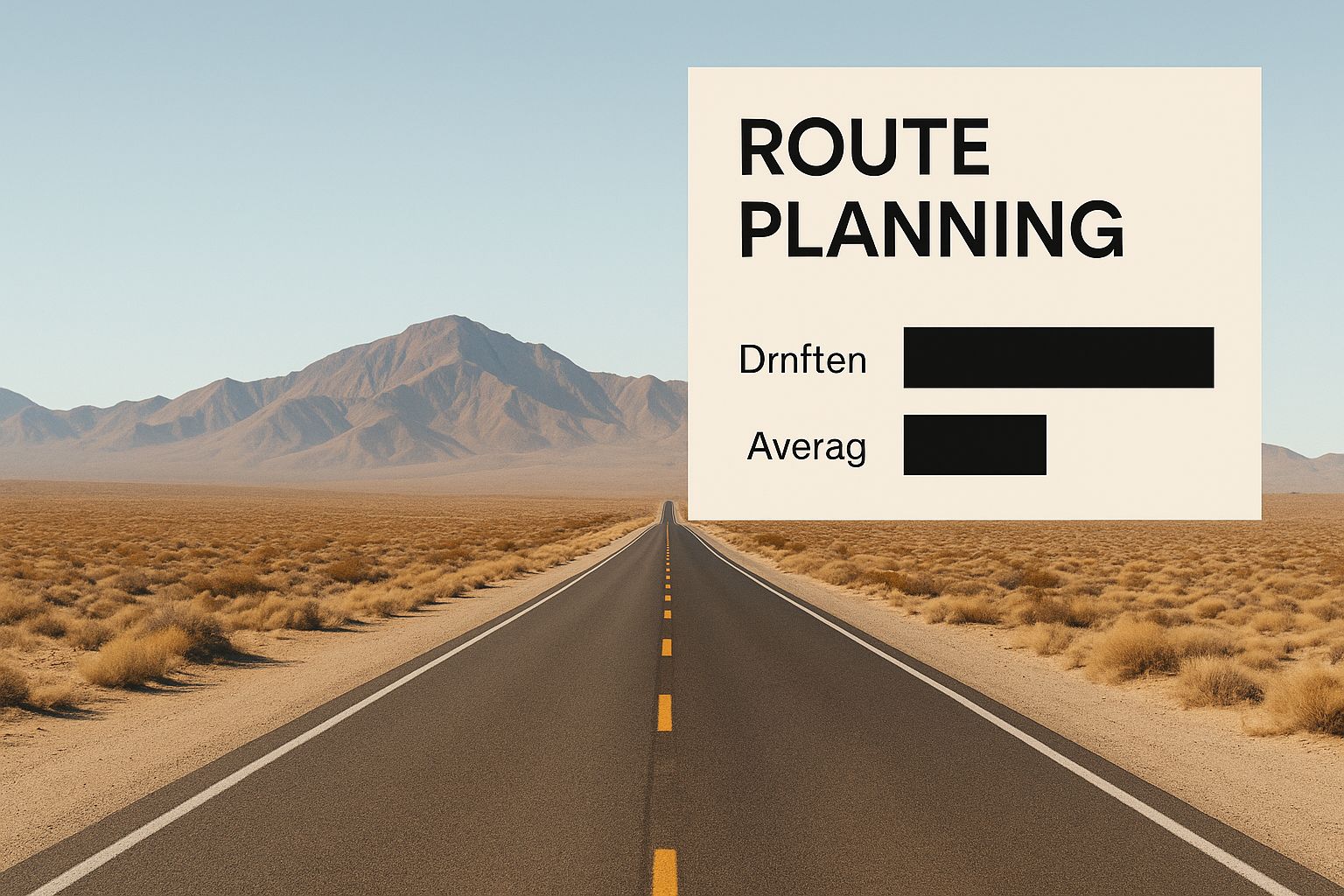
This infographic illustrates the importance of route planning, depicting the road stretching towards the mountains. It emphasizes that choosing your route is as crucial as having a reliable vehicle for a smooth and enjoyable trip. This highlights the need to select a route that aligns with your travel style.
Destination and Preferences: Your Personalized Route
The best route also depends on your final destination in Oman and your individual travel preferences. Heading to Muscat? The Coastal Route is often the most direct and efficient option. For those traveling to inland areas or seeking off-road adventures, the Mountain Route offers a thrilling entryway to Oman’s rugged terrain.
Families with children may prefer the Coastal Route for its easier driving conditions and accessible amenities. Adventure seekers and photographers might be drawn to the Mountain Route for its stunning photo opportunities and less congested roads.
To help you decide, take a look at the comparison table below:
Dubai to Oman Route Comparison: A detailed comparison of the main routes from Dubai to Oman, helping travelers choose the best option based on their preferences and travel needs.
| Route | Distance | Average Time | Border Crossing | Scenery | Road Condition | Best For |
|---|---|---|---|---|---|---|
| Coastal Route (E11) | ~500 km | ~6-7 hours | Relatively straightforward | Coastal views, beaches | Excellent, well-maintained highways | Families, relaxed travelers, those seeking a direct route to Muscat |
| Mountain Route (via Hatta & Al Ain) | ~450 km | ~5-6 hours | Can be slightly more complex | Mountain vistas, rugged terrain | Good, with some winding roads | Adventurous drivers, photographers, those seeking scenic views |
As the table shows, each route presents unique advantages. The Coastal Route offers a smoother, more direct journey, while the Mountain Route provides a more scenic, albeit slightly more challenging, drive.
Ultimately, the ideal route is the one that best fits your individual needs and preferences, ensuring a memorable road trip from Dubai to Oman.
Documentation Mastery: Ensuring a Smooth Crossing
Planning a road trip from Dubai to Oman? A smooth border crossing is essential for a stress-free start to your Omani adventure. Understanding the required documentation, especially the nuances for different nationalities, can save you valuable time and prevent potential headaches.
Essential Documents: Your Passport to Oman
Your passport is your most important travel document. While it may seem obvious, ensure its validity. Your passport needs at least six months of validity remaining to enter Oman. Visa requirements also vary depending on your nationality.
- GCC Nationals: Citizens of Gulf Cooperation Council countries enjoy visa-free travel to Oman.
- Visa-Exempt Nationalities: Many other countries also benefit from visa exemptions. For the most up-to-date list, check the Royal Oman Police website.
- Visa-Required Nationalities: If your nationality requires a visa, obtain it before your trip to avoid complications at the border. E-visas are often a convenient option.
Taking care of these details beforehand ensures a smoother border crossing experience.
Vehicle Documentation: Proof of Ownership and Insurance
Beyond your personal documents, your vehicle requires its own paperwork. You will need your vehicle registration card (mulkiya) to prove ownership. Just as crucial is valid car insurance, specifically an Oman Insurance Card (Orange Card). This insurance is mandatory for all vehicles entering Oman.
The process of getting an Orange Card has become much simpler recently with online options and even UAE PASS integration. This makes it easier than ever for UAE residents to prepare for their drive to Oman. Some insurance providers even allow you to purchase it directly at the border if needed.
Understanding the Orange Card: Your Omani Insurance
The Orange Card, formally known as the Oman Motor Insurance Certificate, is essential for legally driving in Oman. This certificate verifies your vehicle is insured within Oman's borders. It's not simply a formality; it's a legal requirement.
Driving without it can lead to fines, vehicle impoundment, and a significantly delayed trip. Securing this document in advance streamlines your border crossing. Planning your trip budget is also important. For tips on budgeting for Dubai, check out this guide: Is Dubai Expensive?.
Rental Cars: Navigating the Documentation Nuances
Renting a car for your trip? The process is slightly different. While you'll still need the vehicle registration and an Orange Card, you also need authorization from the rental company to take the car across the border.
This often involves a specific add-on to your rental agreement and may incur additional fees. Failing to obtain this authorization can lead to issues at the border and invalidate your insurance.
Oman's popularity as a tourist destination has soared, with 1.95 million visitors in 2024. UAE residents represent a significant portion of this, reaching 1.1 million visitors. This influx, especially during peak seasons like Eid, highlights the importance of a smooth border crossing. Learn more about Eid holiday travel to Oman. Having your documentation in order minimizes delays and allows you to enjoy your Omani adventure to the fullest.
Conquering Border Crossings Like a Seasoned Traveler
Border crossings can be a tricky part of any international road trip. When driving from Dubai to Oman, a smooth border crossing experience can significantly impact your overall travel time. This guide provides helpful information for navigating these crossings efficiently.
Hatta vs. Al Ain: Choosing Your Crossing
Two main border crossing points exist for drivers traveling from Dubai to Oman: Hatta and Al Ain. Each offers a different experience regarding traffic, processing times, and overall atmosphere. Hatta is often favored for its typically less congested routes, especially during the week. Al Ain, while potentially offering a more scenic drive for some, can have heavier traffic and longer wait times. Before you leave, ensure your vehicle has passed any required inspections, such as the Tx State Inspection if applicable, to avoid potential problems at the border.
The efficiency of these crossings directly affects your journey's duration. For example, in 2025, the Hatta border crossing generally processed vehicles in 25 to 75 minutes, depending on the time of day. Al Ain, however, could take longer, with peak times sometimes reaching 90 minutes. You can find more detailed statistics on crossing times here: How many hours from Dubai to Oman by car in 2025. This difference emphasizes the importance of choosing your crossing carefully and checking real-time traffic updates using apps like Waze.
Timing is Key: Beat the Border Rush
Smart timing can make all the difference at a border crossing. Avoid peak hours, like public holidays and weekend afternoons, to minimize your wait. Early mornings or late evenings, especially on weekdays, are often the best times to cross. Consider your schedule and balance the advantages of an early arrival with the possibility of late-night driving.
Navigating the Process: UAE Exit and Oman Entry
The exit process from the UAE and the entry process into Oman are distinct. Exiting the UAE usually involves passport control and vehicle checks. Entering Oman adds further steps, including passport control, visa verification (if needed), vehicle registration, and proof of Omani auto insurance. Having all necessary documentation easily accessible will speed up these processes.
Queuing Strategies: Minimize Your Wait
Even with the best timing, strategic queuing can further reduce delays. Observe which lanes appear to be moving more quickly and choose accordingly. If traveling with others, having one person manage the queue while the others organize documents or attend to children can be beneficial.
Handling Common Border Challenges: Be Prepared
Sometimes, unforeseen issues can occur, such as questions about your documents or requests for vehicle inspections. Stay calm and address any questions from border officials politely. Having both digital and physical copies of your documents can be extremely useful. For families with children, packing snacks, entertainment, and comfort items can help alleviate any potential stress during waits.
Mastering Omani Roads: Local Driving Insights

Successfully navigating your drive to Oman from Dubai involves more than just having the right documents and a full tank of gas. It requires understanding the nuances of Omani driving culture and road regulations. This understanding will ensure a smoother and safer journey.
Key Differences: UAE vs. Oman Driving
While both countries share similarities, there are key distinctions in their driving regulations. Speed limits, enforcement practices, and even road signage can differ. Understanding these differences can help you avoid fines and enjoy a more pleasant driving experience. The following table summarizes some important distinctions:
To help illustrate these differences, let's take a look at a comparison table:
UAE vs. Oman Driving Differences
| Aspect | UAE (Dubai) | Oman | Important Notes |
|---|---|---|---|
| Speed Limits | Generally higher, especially on highways. | Generally lower, particularly on highways. | Always adhere to posted speed limits. |
| Speed Enforcement | Speed cameras and radar are used. | Extensive use of speed cameras and radar. | Maintain a consistent and legal speed. |
| Road Signage | Standardized signage. | May differ slightly from UAE signage. | Familiarize yourself with Omani road signs. |
| Overtaking | Allowed where safe and indicated. | Exercise caution when overtaking, especially on two-lane roads. | Be mindful of other drivers and road conditions. |
| Roundabouts | Give way to traffic already on the roundabout. | Similar rules to the UAE. | Yield to vehicles already circulating. |
Knowing these key differences is essential for a smooth transition between driving in Dubai and Oman.
Navigating Oman's Diverse Terrain
Oman's landscape is remarkably diverse, offering everything from towering mountains to scenic coastal highways and expansive desert stretches. Each terrain presents unique driving challenges. Adapting your driving style to suit these varying conditions is key for a safe and comfortable trip.
- Mountain Roads: When driving in the mountains, reduce your speed and utilize lower gears. Be prepared for hairpin bends and steep inclines.
- Coastal Highways: Coastal roads offer stunning views, but can be affected by strong winds. Maintain a firm grip on the steering wheel and be mindful of changing weather conditions.
- Desert Passages: Venturing into the desert requires careful planning. A 4×4 vehicle is highly recommended for navigating off-road terrain.
If you're planning a trip and considering different vehicle options, you might find this guide on the most popular cars in Dubai helpful.
Fuel and Navigation: Essential Preparation
Strategic planning for fuel stops is crucial, especially when driving through remote areas. While petrol stations are available along major routes, it's always best to keep your tank topped up. Knowing the locations of fuel stops along your planned route is also highly recommended.
For navigation, utilize both digital and offline options. While GPS apps like Google Maps are extremely helpful, having offline maps as a backup is essential, particularly in areas with limited mobile network coverage.
Driving Etiquette and Communication: Local Insights
Understanding local driving etiquette can greatly enhance your overall driving experience in Oman. Omani drivers are generally courteous. Being mindful of local customs will contribute to a more pleasant interaction with other road users.
In any interaction with local authorities, maintain politeness and respect. Have your documents readily available and answer any questions clearly and concisely.
By familiarizing yourself with these local driving insights, you'll be well-prepared for a successful and enjoyable drive to Oman from Dubai. Careful preparation and an understanding of the local driving environment will allow you to truly appreciate the beautiful scenery and unique experiences Oman has to offer.
Unmissable Destinations Worth the Drive to Oman
Oman, with its diverse landscapes and rich culture, offers a rewarding road trip experience from nearby Dubai. From majestic mountains to pristine coastlines, Oman has something for every traveler. This guide highlights some must-see destinations, offering insights into accessibility, ideal visiting times, and accommodation options.
Exploring Musandam: The Norway of Arabia
Known as the "Norway of Arabia," Musandam boasts breathtaking fjords, rugged mountains, and crystal-clear waters. This peninsula, separated from the rest of Oman by a portion of the UAE, offers unique experiences. Think dhow cruises, dolphin watching, and snorkeling.
- Accessibility: Musandam is most easily reached by flying directly to Khasab Airport or driving through the UAE, crossing the border at Dibba.
- Optimal Visit Timing: The best time to visit is during the cooler months, from October to April, for ideal outdoor activity weather.
- Accommodation: Options range from luxury resorts to budget-friendly guesthouses, catering to various travel styles.
Discovering Nizwa: A Cultural Oasis
Nizwa, Oman's former capital, is a historical and cultural hub. Explore the Nizwa Fort, a magnificent 17th-century fortress. Immerse yourself in the vibrant atmosphere of the Nizwa Souq, known for its silver jewelry, khanjars (traditional daggers), and pottery.
- Accessibility: Nizwa is easily accessible by car from Muscat, taking approximately 1.5 to 2 hours via a well-maintained highway.
- Optimal Visit Timing: Nizwa is best visited during the cooler months or during the Nizwa Festival, a cultural event showcasing Omani traditions.
- Accommodation: You can find a range of hotels and guesthouses to suit your budget and preferences.
Experiencing Oman's Coastline: Beaches and Marine Life
Oman's extensive coastline offers pristine beaches, diverse marine life, and opportunities for relaxation and adventure. Ras Al Jinz, a protected turtle nesting site, provides a unique opportunity to witness endangered green turtles laying their eggs. The coastal city of Sur is renowned for its dhow shipyards, where traditional wooden boats are still crafted.
- Accessibility: Coastal destinations are accessible by car, with well-maintained roads connecting major towns and cities.
- Optimal Visit Timing: While beaches are enjoyable year-round, the best time for turtle watching at Ras Al Jinz is between July and October.
- Accommodation: Coastal areas offer various accommodations, from beach resorts to charming guesthouses, allowing you to tailor your experience.
Tailoring Your Omani Adventure
Oman offers a variety of experiences for different travel styles. Adventure seekers can explore the rugged Wadi Bani Awf by 4×4, hike in the Hajar Mountains, or go rock climbing. Culture enthusiasts can delve into Omani heritage in Nizwa, visit ancient forts and castles, or explore traditional villages like Al Hamra. Families can enjoy the beaches, visit the Bimmah Sinkhole, or take a dhow cruise in Musandam. Photographers will find inspiration in Oman's diverse landscapes, from the majestic fjords of Musandam to the rolling sand dunes of the Wahiba Sands.
Unforgettable Journeys with Uptown Rent A Car
Ready for your Omani adventure? Uptown Rent A Car offers a premium selection of luxury vehicles to enhance your road trip. Choose from sleek sports cars, sophisticated sedans, and spacious SUVs, all meticulously maintained for your comfort and safety. Our convenient online booking platform ensures a seamless rental experience, with competitive rates starting from AED 250 per day. Visit Uptown Rent A Car today and start planning your unforgettable drive to Oman from Dubai.